
Marine Program
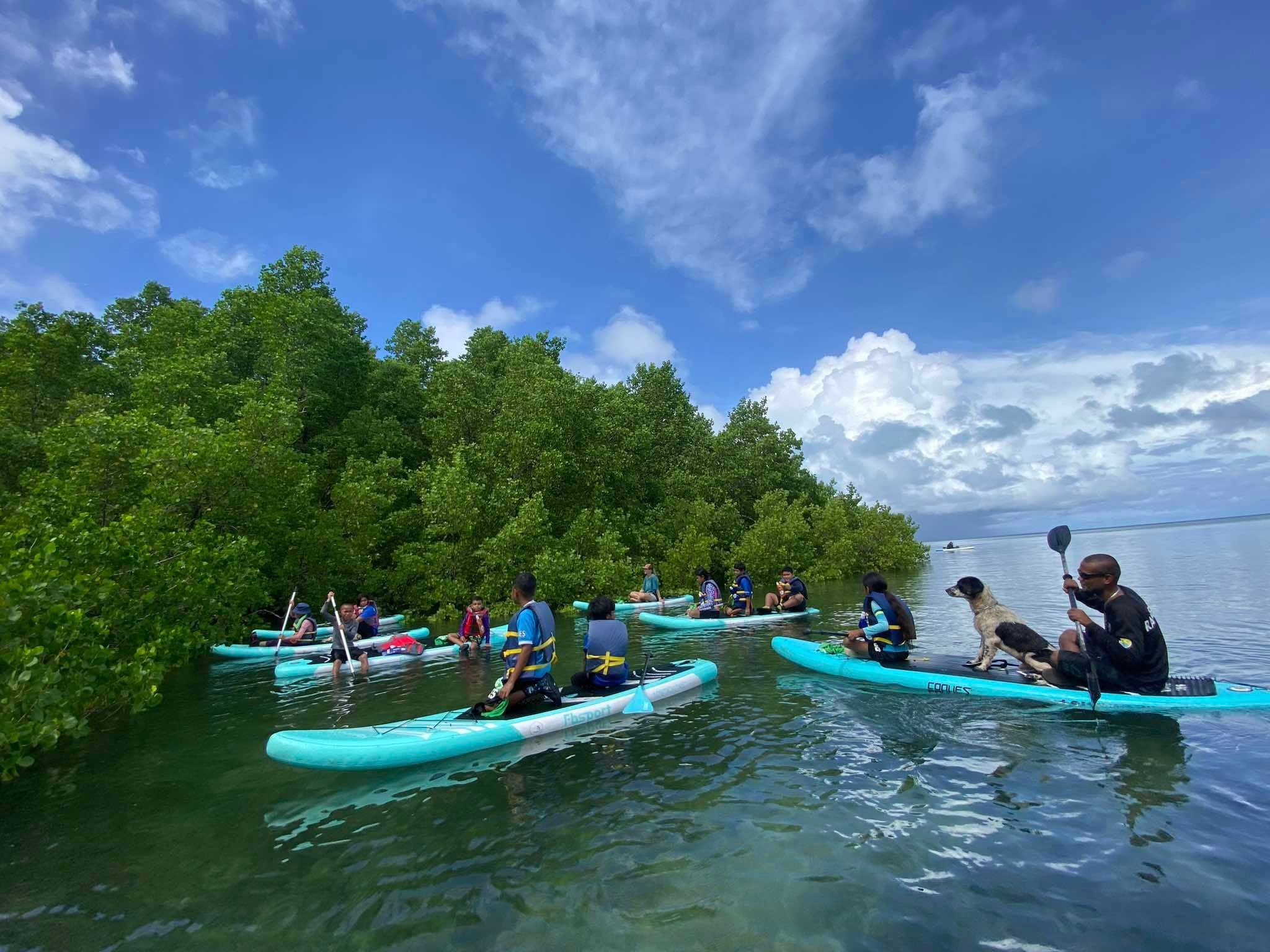
Ebiil Society’s marine programming advances the conservation and sustainable management of Palau’s coastal and marine ecosystems through community-based education, applied research, and stewardship initiatives. By engaging youth and local partners in monitoring, mangrove and reef studies, and place-based learning, our programs build local capacity, strengthen environmental governance and resource management, and support long-term ecological and community resilience.
TRAP Project
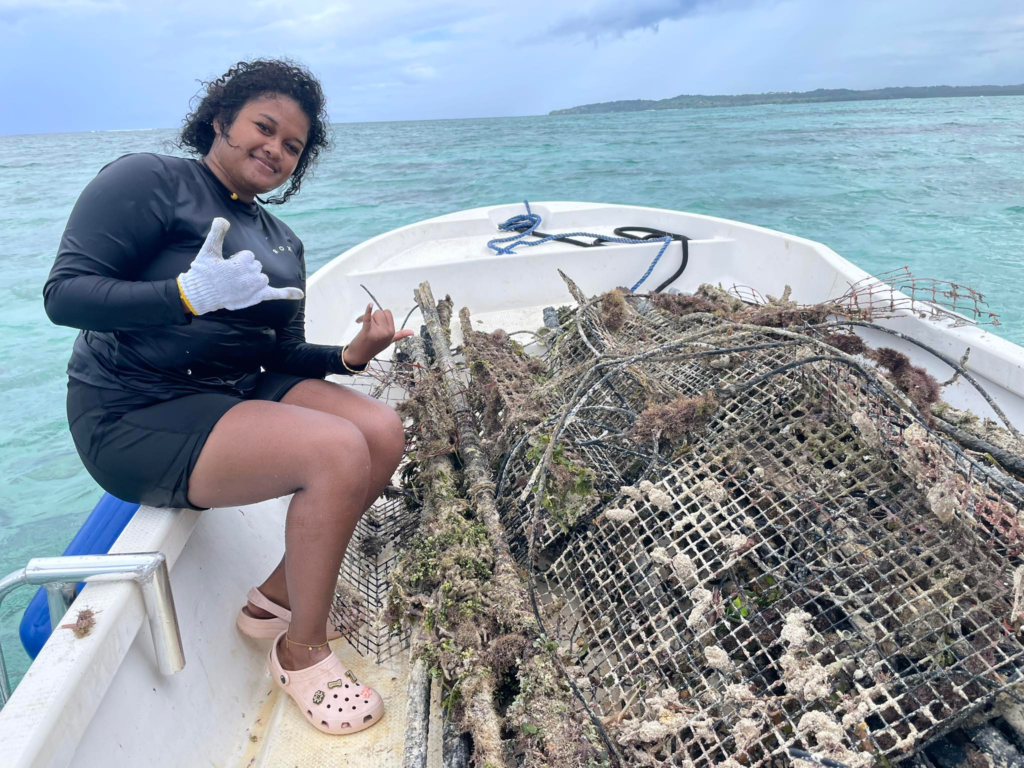
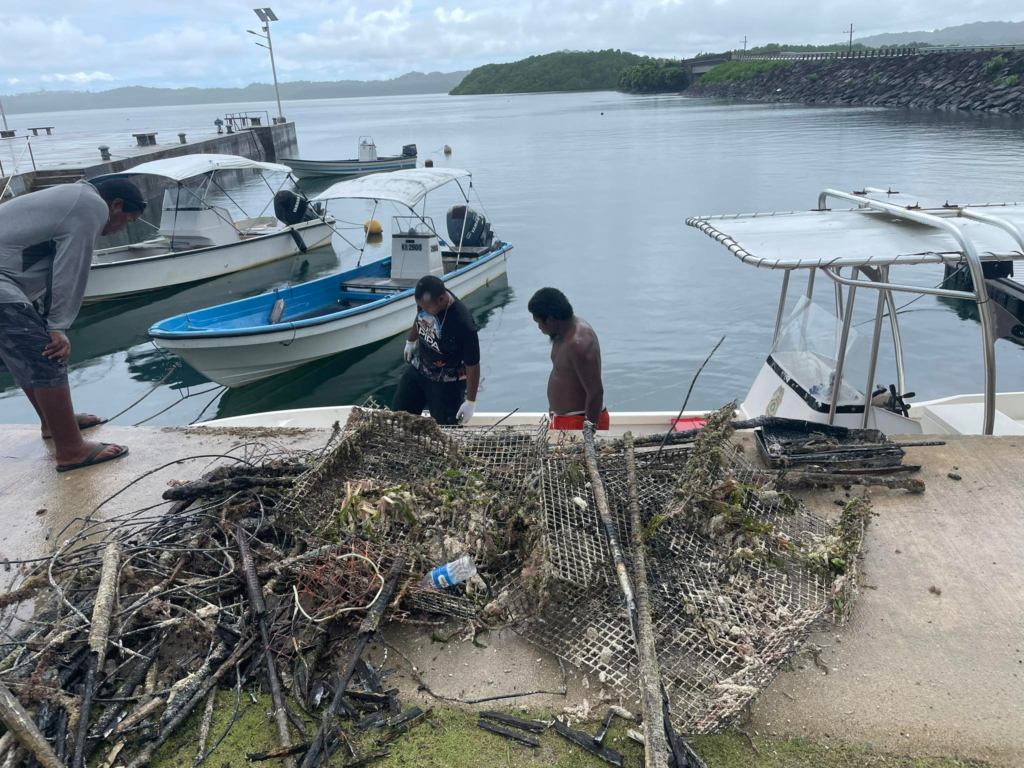
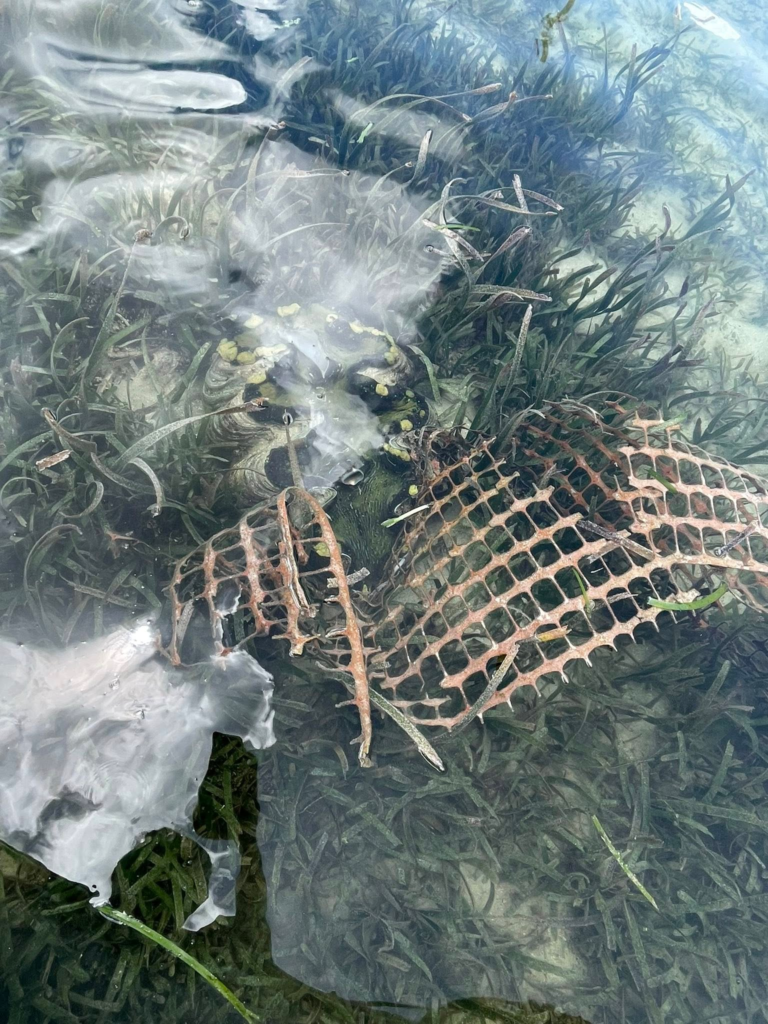
Ebiil Society’s TRAP Project is part of a national, cross-disciplinary partnership focused on addressing the ecological and economic impacts of derelict fishing gear through standardized monitoring, impact assessment, prevention, and data sharing. As a project partner of the National TRAP Program (Virginia Institute of Marine Science – Center for Coastal Resources Management), Ebiil coordinates the recovery of abandoned mangrove crab traps and derelict giant clam farms in key coastal areas of Palau, including Ngarchelong, Ngiwal, Airai, and Ngatpang. This work supports the protection of marine habitats and subsistence fishing resources by reducing ghost fishing, bycatch mortality, and habitat degradation, while contributing locally generated data to national analyses that benefit NOAA Trust Resources and long-term marine ecosystem resilience.
Sea Cucumber Monitoring & Women Fisheries
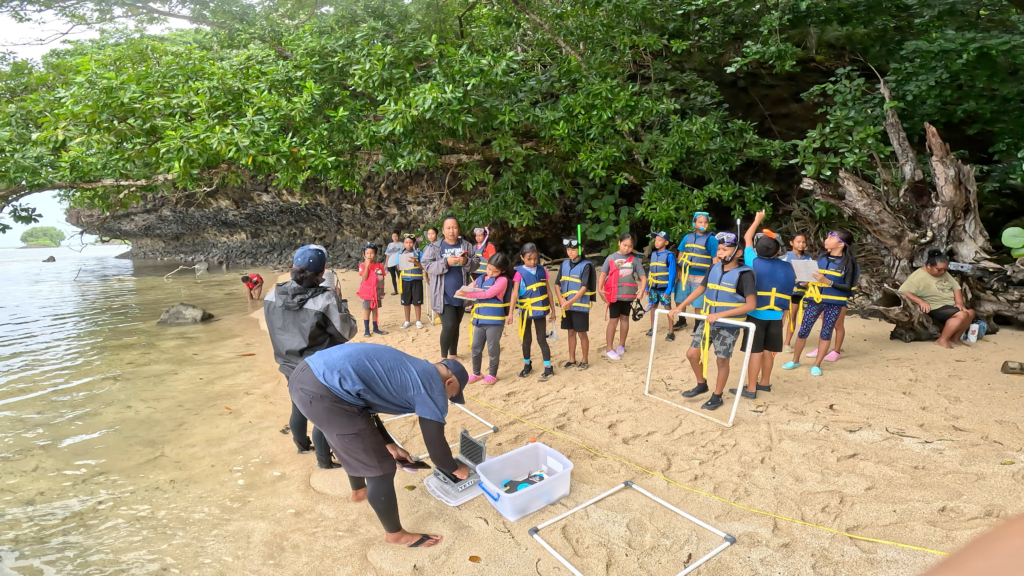
Ebiil Society’s sea cucumber monitoring project is designed to deliver measurable ecological recovery and livelihood benefits for coastal communities on Babeldaob Island in Palau, specifically in the states of Ngarchelong, Ngardmau, and Aimeliik. Implemented by Ebiil Society, the project responds to well-documented evidence of severe overfishing—an 88% collapse of sea cucumber stocks following export liberalization in 2011—and the continued lack of natural recovery, as shown by recent monitoring.
Because women comprise approximately 75% of Palau’s informal sea cucumber market and depend on this fishery for household income, food security, and the continuation of Indigenous ecological knowledge, the program places women fishers at the center of restoration and management efforts. Through improved hatchery spawning and nursing of high-value sea cucumber species, active engagement of women in restocking traditional fishing grounds, and targeted training in sustainable fishing practices, the program directly supports 231 households and engages over 400 youth and children across Indigenous communities. By linking women-led fisheries restoration with education, monitoring, and long-term stewardship, the Women Fisheries Program delivers tangible outcomes in stock recovery, climate resilience, and livelihood security while safeguarding intergenerational knowledge and strengthening community-based marine resource management.